

16–32 Bar Cuts: Age Focused Audition Songs for Teens With Coaching
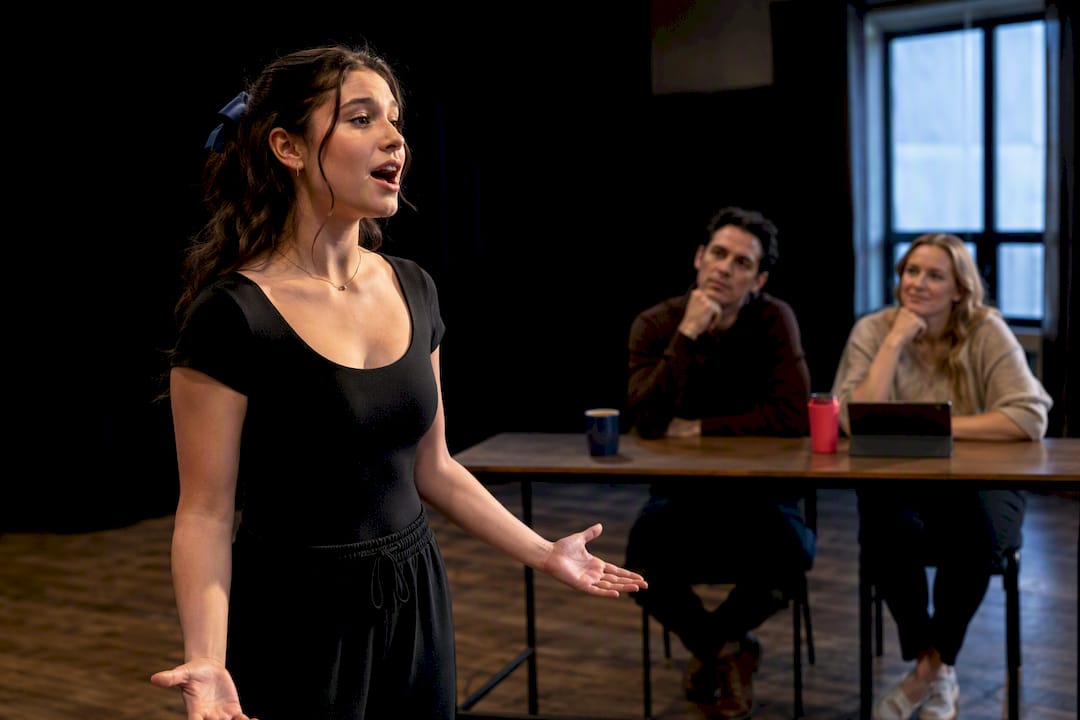
Choose age-appropriate, character-driven material in a comfortable key, cut to 16–32 bars, and matched to the show or your natural casting type. StageAgent and youth-theatre practitioners like Ocean Theatre Company both point the same way: the song that wins a recall is rarely the flashiest one, it’s the one that fits. Below, you’ll find shortlists organised by age and voice, fresher alternatives to the usual suspects, and a step-by-step method for turning any of them into an audition-ready cut.
TL;DR:
Choosing age-appropriate songs that tell a clear story and fit the performer’s voice enhances audition success more than flashy choices, especially within 16–32 bars.
Song selection should account for the performer’s current vocal range and emotional maturity, avoiding material that is either too immature or overly demanding.
Fresher, less common song choices can help performers stand out, but must be delivered with a unique interpretation to avoid sounding like everyone else.
Preparing a well-structured 16–32 bar cut with a dramatic arc, contrast, and honest key test improves stage presence and storytelling under pressure.
Ongoing stage experience and consistent rehearsal support long-term confidence, making youth theatre programs valuable beyond private lessons and song lists.
Table of Contents
What makes a good audition song for teens
A song earns its place on your shortlist when it does three jobs at once: it suits your age, it suits your voice, and it tells a story a panel can follow in under two minutes. Miss any one of those and even a technically perfect performance can fall flat.
Age-appropriateness cuts both ways. A ballad about heartbreak and betrayal can feel hollow coming from a 12-year-old who hasn’t lived it, while a song written for a child character can undersell a confident 17-year-old who’s ready for more mature material. Backstage advises picking songs where you can believably inhabit the emotional world of the lyric, not just hit the notes.
Vocal fit matters just as much as theme. Panels aren’t only listening for pitch accuracy, they’re listening for whether the song sits where your voice actually lives.
Soprano and mezzo voices often shine on legit theatre ballads with a clear top, but a mezzo forcing a soprano top note will sound strained rather than strong.
Tenor and baritone voices benefit from songs that show both a warm lower register and a confident climb, rather than material that sits flat throughout.
Changing or newly settled voices (common in the 13 to 15 range) do better with material that doesn’t demand a sustained belt at the very top of the range.
Interestingly, some of Broadway’s most famous “teen” roles are written for adult voices and stamina. Vocal coaches note that a healthy vocal fit matters more than matching the character’s age on paper, so don’t rule out an adult-written song just because the character is older than you.
Style and casting type deserve equal weight. If you’re auditioning for a contemporary pop-rock musical, a classic 1950s ballad may show off your voice beautifully and still leave the panel unsure whether you understand the show. Finally, keep the practical limits in mind: aim for roughly three minutes of material or a 16–32 bar cut, and weigh recognisable songs against original ones, since overdone numbers can work against you if they’re not distinctive.

Best audition songs for teens by age and voice type
Song choice should shift as your voice and emotional range develop, so the lists below split by rough age bracket. Treat the age ranges as a guide, not a rule; a mature-sounding 13-year-old and a younger-sounding 16-year-old might reasonably swap lists.
Ages 11 to 13
“Naughty” (Matilda the Musical) — Playful, quick-witted, and written for a young voice; shows character work without demanding vocal power.
“The Wizard and I” (Wicked), first 16 bars — A big song, but the opening section sits comfortably and shows ambition and clarity of diction.
“Part of Your World” (The Little Mermaid) — A frequently recommended choice for younger sopranos; be aware it’s popular, so bring a distinctive interpretation.
“Giants in the Sky” (Into the Woods) — Good for a young tenor or treble voice wanting to show storytelling energy rather than pure belt.
Ages 14 to 16
“Waving Through a Window” (Dear Evan Hansen) — A well-known pick for this age bracket, built around anxiety and longing to connect; works for a tenor with a strong middle voice.
“Alyssa Greene” song selections (The Prom) — Contemporary, character-rich, and written specifically for a teenage role, which makes emotional believability easier.
“Astonishing” (Little Women) — A powerful mezzo/soprano option for a performer ready to show range, though it’s demanding, so only attempt the full song if your stamina supports it.
“Corner of the Sky” (Pippin) — Strong for a baritone or tenor wanting to show yearning without an extreme vocal stretch.
Ages 17 to 19
“Not for the Life of Me” (Thoroughly Modern Millie) — Bright, comic, and shows character alongside vocal agility for a soprano or mezzo.
“She Used to Be Mine” (Waitress), shortened cut — A mature, reflective ballad that suits an older teen’s emotional range and mezzo tessitura.
“Til I Hear You Sing” (Love Never Dies) or a comparable legit tenor/baritone piece — Suits an older male voice ready for a sustained, adult-register performance.
“Getting Married Today” (Company), an excerpt — A fast, funny, character-driven option for a confident soprano wanting to demonstrate comic timing.
Whichever list you draw from, always check with a singing teacher before transposing a song into a different key, and prepare your final choice as a 16–32 bar cut rather than the whole number.
Fresher choices that help you stand out
Popular songs earn their reputation because they work, but panels who sit through dozens of auditions a day notice repetition fast. Practitioners increasingly recommend looking slightly off the beaten path, especially for teens who want to be remembered for the right reasons.
“I Think I May Want to Marry You” (The Last Five Years) — Fresh, conversational, and shows character warmth without an extreme range demand.
“Watch What Happens” (Newsies: The Musical) — Lesser-used than the show’s bigger numbers, with a lovely blend of vulnerability and hope for a mezzo or soprano.
“Anyone Can Whistle” (title song) — An older, underused piece that still reads as contemporary and fresh in most audition rooms.
“When He Sees Me” (She Loves Me) — Comic, quirky, and rarely chosen, which makes it a strong contrast piece for a soprano who can commit fully to the humour.
A popular song is still a safe choice if you bring something genuinely your own to it, a specific acting choice, an unusual tempo decision, a moment of stillness where others rush. The problem isn’t popularity itself, it’s a performance that sounds identical to every other version a panel has heard that week.
How to prepare your 16–32 bar cut
Turning a song on your shortlist into an audition-ready cut takes more care than simply chopping off the middle eight. Industry guidance consistently points to the same principle: a clear story matters more than vocal fireworks.
Choose bars that form a dramatic arc. Pick a section with a clear beginning, a turn, and an ending, ideally starting on a defined objective and closing on a settled musical cadence rather than mid-phrase.
Include a moment of contrast. A brief dip to a lower, quieter phrase followed by a rise shows range and control far better than sustained volume alone.
Test the key honestly. Sing the cut in the morning and again after a full day, ideally with a teacher or accompanist present, since rehearsing in the key you’ll actually use reveals whether the top or bottom of the cut is sustainable under pressure.
Prepare clean sheet music for your accompanist. Mark the exact starting bar, any tempo changes, and a clear cut off point; if you’re using a backing track, cue it in advance and know it well enough to recover if it starts a beat early or late.
Run your day-of checklist. Warm up gently beforehand, bring a spare copy of your music, know your timing to the second, decide on two or three physical or facial choices in advance, and dress simply in something that suggests character without costume.
Pro Tip: Pick one small, specific physical gesture, a glance, a breath, a shift of weight, and tie it to the exact moment your character’s objective changes. Panels remember specific choices far more than general energy.
Ocean Theatre Company’s coaching insight on audition preparation
Our programme builds repertoire choices around each young performer’s actual voice, not just their ambition. Weekly rehearsals for the 14 to 19 age group blend ensemble show work with individual attention, so audition skills develop alongside the confidence that comes from performing in productions.
A few habits we return to again and again:
We introduce new repertoire gradually, building stamina with warm-ups and short phrases before attempting a full cut at performance volume.
We encourage teens to sing material a half-step or full step lower than they think they need, since a comfortable cut nearly always outperforms a stretched one.
We talk to parents about when private singing tuition might help beyond group rehearsal, particularly for performers pursuing a specific, demanding audition song.
None of this guarantees a callback, but it does build the kind of vocal habits and stage instinct that make any audition song easier to perform well.
A note for parents and guardians
Trust your ear over the song list. If a piece makes your teenager’s voice sound strained rather than free, that’s worth a teacher’s opinion before the next audition, not after. Ambition is good, but a simple song sung with confidence and clear storytelling beats a difficult one sung under strain almost every time. If your teen keeps returning to performance as a source of joy rather than pressure, a structured programme with regular productions, like a youth theatre company, can be the right next step for building that skill over years rather than weeks.
— Andrew
Where Ocean Theatre Company fits into your teen’s audition journey
Private lessons and online song lists get you as far as the audition room door, but building a genuinely confident performer takes ongoing stage time, and that’s where a youth theatre programme comes in. Programmes for 14 to 19 year olds often run weekly rehearsals alongside full-scale musical productions each year, giving teens the chance to build vocal stamina, character work, and ensemble skill in a supportive group rather than in isolation.
[

Participants regularly tell us how much their confidence grows once they’re performing regularly rather than just preparing for the next audition. If your teen is working through the shortlists above and wants the kind of consistent, supported stage experience that makes every future audition a little less daunting, take a look at our current productions or visit our programme page to enquire about joining a term.
Sources
FAQ
What are some good songs for auditions?
Songs that suit your voice, tell a clear story in a short excerpt, and match the style of the show tend to work best, rather than any single universally “safe” title.
What are good audition songs for a 14-year-old?
Character-driven pieces like “Waving Through a Window” from Dear Evan Hansen or “Alyssa Greene” numbers from The Prom suit this age well, since both were written with a teenage voice and emotional register in mind.
What are good musical theatre audition songs for a 12-year-old?
Lighter, character-focused songs such as “Naughty” from Matilda the Musical or the opening 16 bars of “The Wizard and I” from Wicked work well, as they avoid demanding adult vocal power or emotional maturity.
What song should I use for my audition?
Pick the song from your shortlist that best matches your current voice and the show you’re auditioning for, then cut it to 16–32 bars that show a clear dramatic arc rather than the biggest vocal moment.
How long should a teen’s audition cut be?
Most panels expect a 16–32 bar cut or around three minutes of material, so trim your chosen song to that length well before audition day.
Recommended
Comments